
Discover the invigorating world of sauna cold plunge routines with our comprehensive guide. Designed for wellness enthusiasts, our step-by-step approach details the preparation, procedure, and mastery of this Scandinavian tradition.
Learn how to maximize the health benefits offered by this unique practice, which combines heat and cold therapies for holistic well-being.
Enhance your self-care routine by embracing this dynamic method, designed to liberate your body and mind.
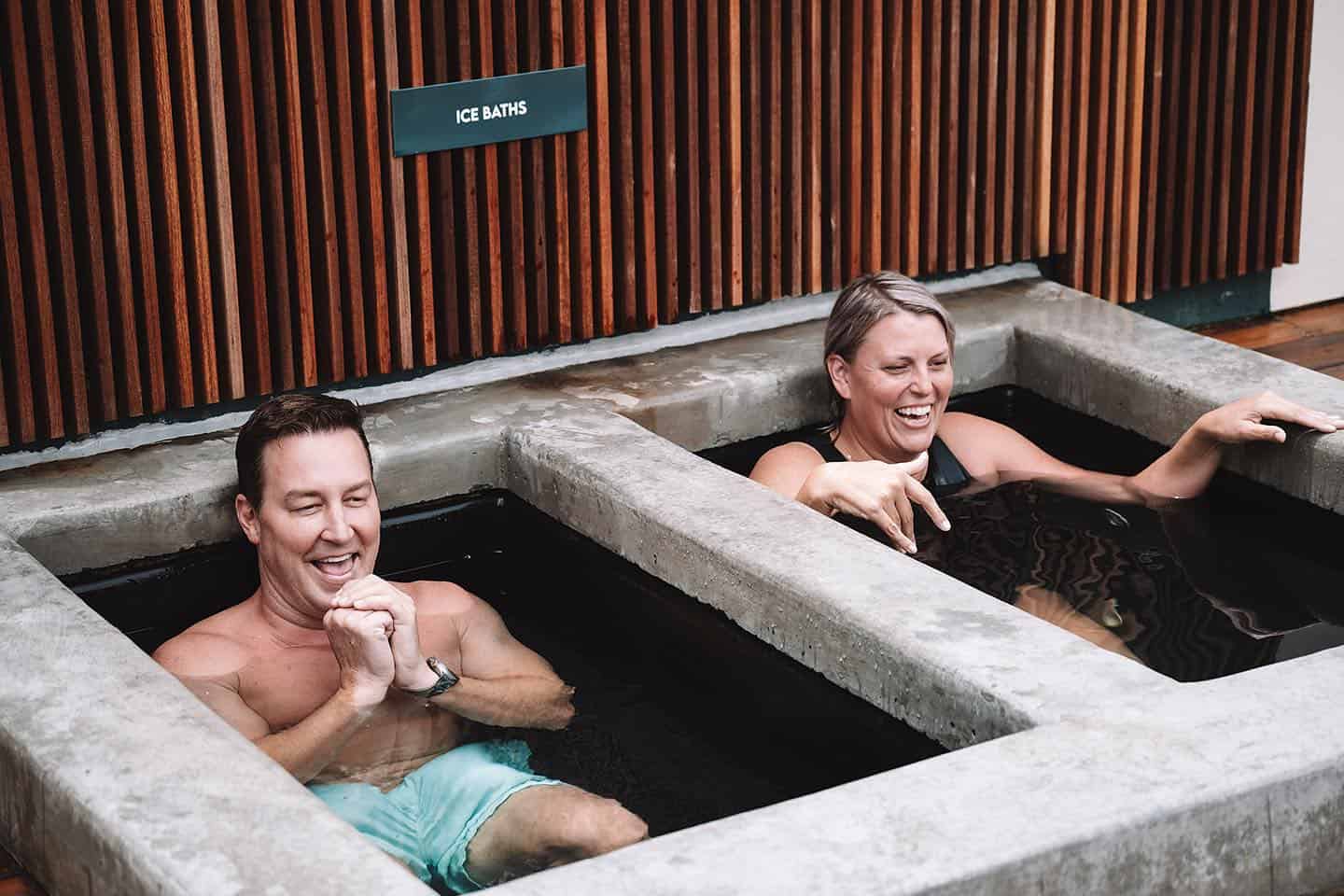
Understanding the Sauna Cold Plunge
A considerable number of sauna enthusiasts incorporate the cold plunge into their routine due to its numerous health benefits. The cold plunge, a practice where one submerges in cold water immediately after exiting the sauna, serves as a revitalizing shock to the system. This technique promotes vasoconstriction, a process that narrows the blood vessels and reduces blood flow, thereby encouraging the removal of waste products built up in the muscles.
Moreover, regular cold plunges can enhance the body’s adaptive response to stress. It can also stimulate the production of white blood cells, fortifying the immune system. Beyond these physiological advantages, the ritual delivers a refreshing and invigorating sensation, contributing to psychological wellbeing.
Despite the initial discomfort, the freedom one experiences from the mastery of mind over body is immeasurable. The practice is an embodiment of resilience and self-discipline, values highly revered amongst sauna enthusiasts.
Preparing Your Body for the Plunge
Regularly preparing your body for the cold plunge is a fundamental step to ensure a safe and effective sauna experience. The process involves gradual acclimatization to cold and heat, and it is crucial to listen to your body’s signals throughout the stages.
Firstly, start with shorter sauna sessions, gradually increasing the time as your body adapts to the heat. Hydrate sufficiently before and after the sauna to replace lost fluids and essential salts. Regular light stretching exercises before the sauna can also prepare your muscles for the temperature change.
When transitioning to the cold plunge, it’s advisable to cool down slightly in a neutral environment to avoid shock. This cooling period allows your heart rate to decrease and your body to prepare for the lower temperatures. Your first few plunges should be brief, gradually increasing the duration as your body gets accustomed to the cold.
Step-by-Step Sauna Procedure
Following the preparation phase, the next stage involves the actual step-by-step sauna procedure, which is designed to optimize your heat and cold exposure experience. This process begins with entering the sauna and sitting or lying down, depending on personal preference. Keep in mind that heat rises, so higher benches will be hotter. To ensure optimal heat exposure, aim to stay in the sauna for around 15 to 20 minutes. Hydrate adequately before entering to help your body handle the heat.
After the allotted time in the sauna, exit gently to avoid abrupt temperature changes. It’s essential to allow your body to cool down naturally for a few minutes. This stage is also an ideal time to hydrate and prepare yourself mentally for the cold plunge.
Next, submerge yourself in the cold plunge pool or shower. The goal is to expose your body to the cold for one to two minutes. After this stage, rest and allow your body to normalize. Repeating this sauna and cold plunge process two to three times magnifies the benefits. Adhering to this protocol will ensure a successful and invigorating sauna cold plunge routine.
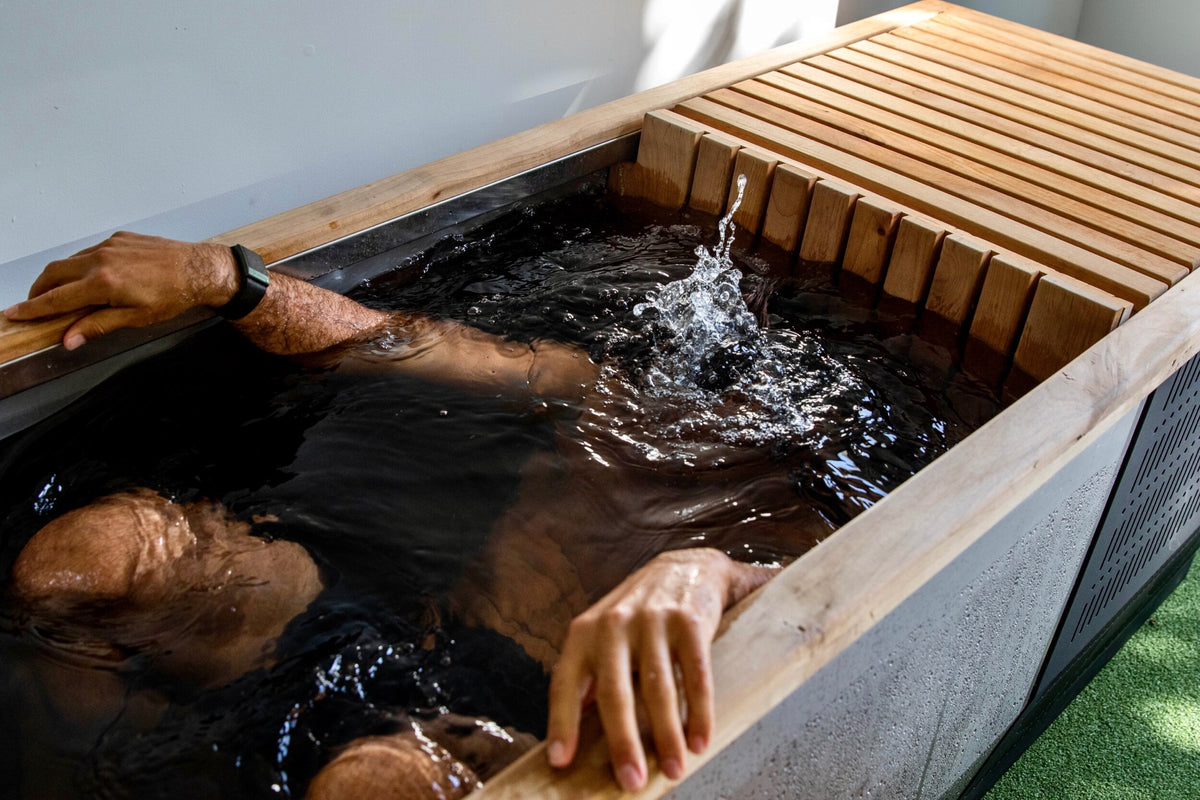
Mastering the Cold Plunge
Mastery of the cold plunge requires both physical preparation and mental fortitude to fully reap its therapeutic benefits. This centuries-old technique, often used in tandem with sauna sessions, harnesses the power of extreme cold to stimulate the body’s healing processes and boost overall well-being.
The first step in mastering the cold plunge is gradual acclimatization. Start with shorter durations in the cold water, slowly increasing your tolerance over time. This gradual exposure helps your body adapt to the temperature shock, reducing the risk of hypothermia and other cold-related injuries.
Next, focus on your breathing technique. Deep, controlled breaths can help manage the initial shock of entering the cold water and regulate your body temperature throughout the plunge. Remember, your body’s natural response will be to gasp and tense up, so practicing calmness and control is crucial.
Maximizing the Health Benefits
A significant number of health benefits can be derived from a properly executed sauna cold plunge routine, provided it is done correctly and consistently. This practice has been scientifically validated to boost the immune system, improve cardiovascular health, and provide relief from various forms of pain.
To maximize the health benefits, it is important to maintain a consistent routine. Experts recommend a minimum of one sauna cold plunge session per week. Frequent exposure to this thermal stress can stimulate the body’s adaptive responses, enhancing overall resilience and well-being.
In addition, proper hydration is crucial to replenish the fluids lost through sweating. Consuming nutrient-rich foods after your session can also help replenish essential minerals and accelerate recovery.
Moreover, mindfulness during the routine is key. It is not just about enduring the cold or heat, but also about honing the ability to control your breath and remain calm under pressure. This can have a positive impact on mental health, reducing stress and anxiety.
Lastly, remember that individual tolerances may vary. Always listen to your body and adjust the routine as necessary. As with any wellness routine, a gradual approach often yields the best results.
Conclusion
In conclusion, the Sauna Cold Plunge routine, when performed correctly, provides numerous health benefits. It enhances cardiovascular health, boosts immunity, promotes muscle recovery, and improves mental health.
Adherence to the step-by-step process, including proper preparation and mastery of the plunge, is crucial for maximizing these benefits. As such, individuals should approach this routine with diligence and patience, understanding that the benefits accrue with consistent practice.